Starting a
Garden
A Basic Overview
Starting a garden can be a deeply personal, and remedial experience; a way of nurturing the land and ourselves.
Acknowledge the land, and the indigenous people who tended and nurtured the land before you. Acknowledge the trees, plants, birds, critters and other organisms, who are tending the land alongside you, allow them their space and place in this process.
Want a quicker overview on gardening? Scroll down to the bottom of the page to view our slides!
When to Start:
The best time to start gardening is yesterday — meaning, there is never a bad time to start as a beginner — of course, good weather helps, but starting inside with a few plants: mints, basil, cilantro, parsley, rosemary, thyme, etc, during the winter months, can provide enough insight and experience before spring. And by spring, you’ll feel prepared and confident about expanding towards growing outside, be it, the balcony, the yard, or the front-steps of your home.
We created a Site Analysis Sheet to help you get started! Click here!
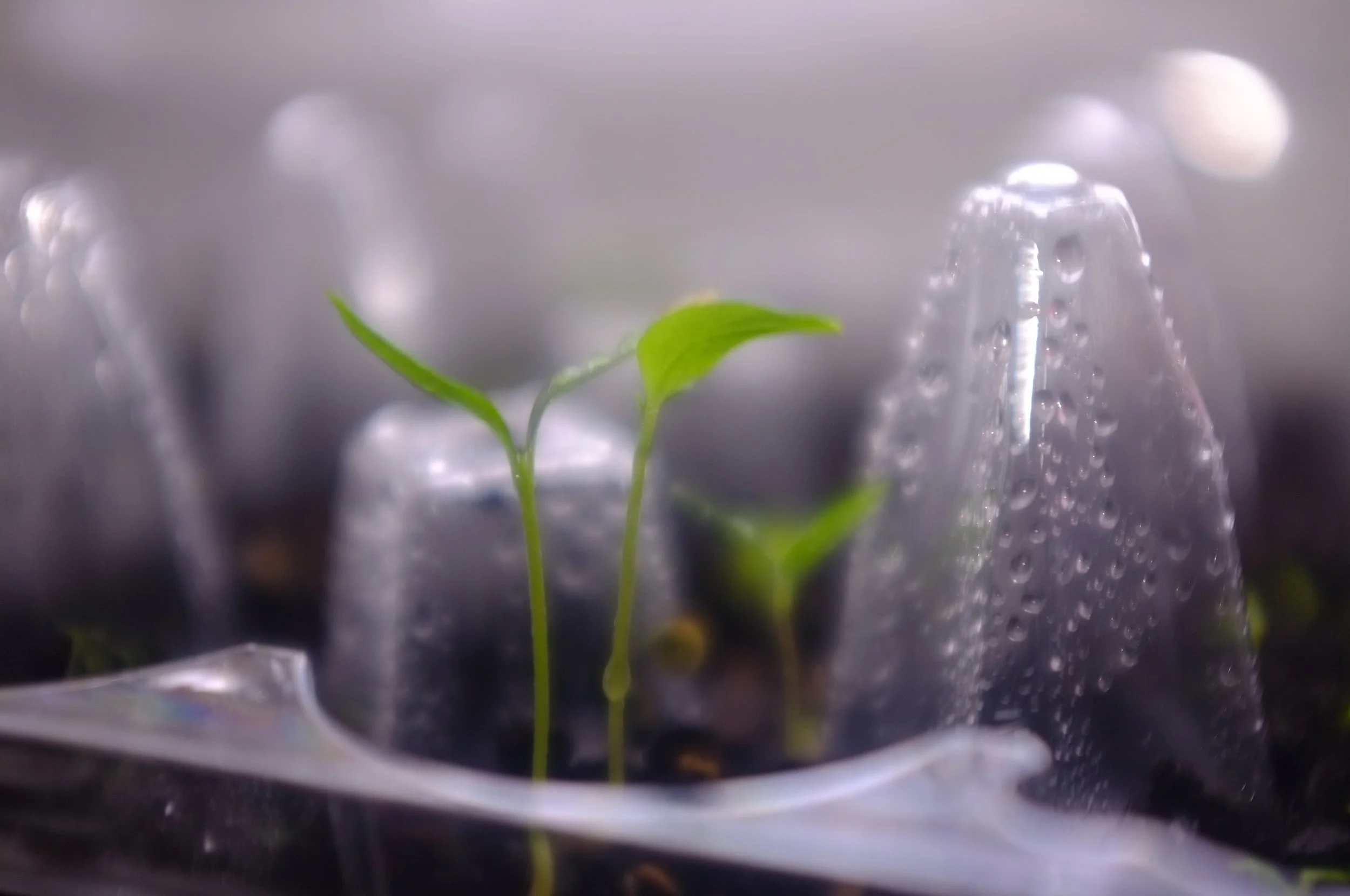
Growing and preparing pepper seedlings inside the greenhouse before spring.
Types of Gardens:
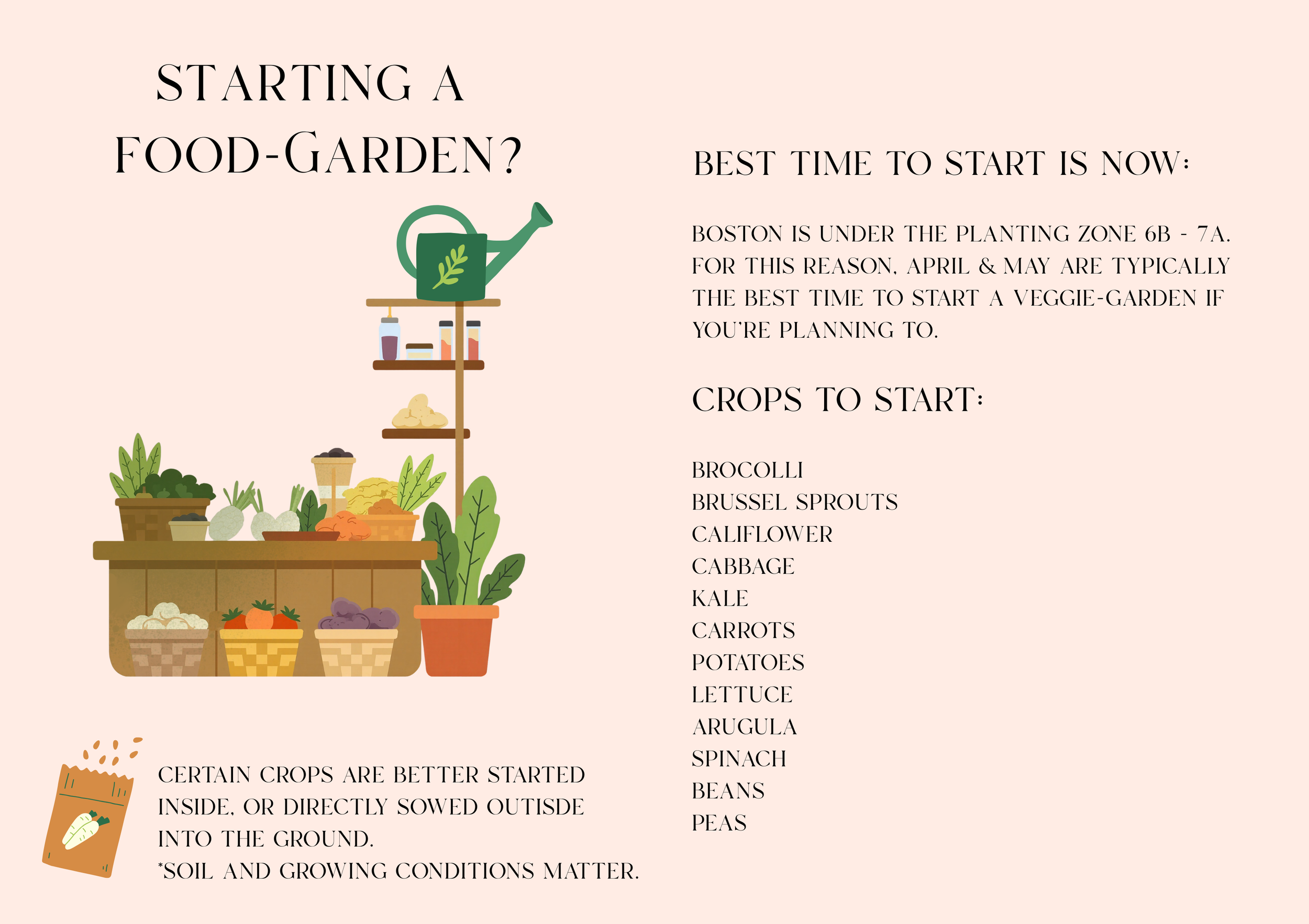
Food Garden: A garden dedicated to growing edible plants such as greens, herbs, fruits, or vegetable — even flowers, if they’re edible.
Easy Plants to Start:
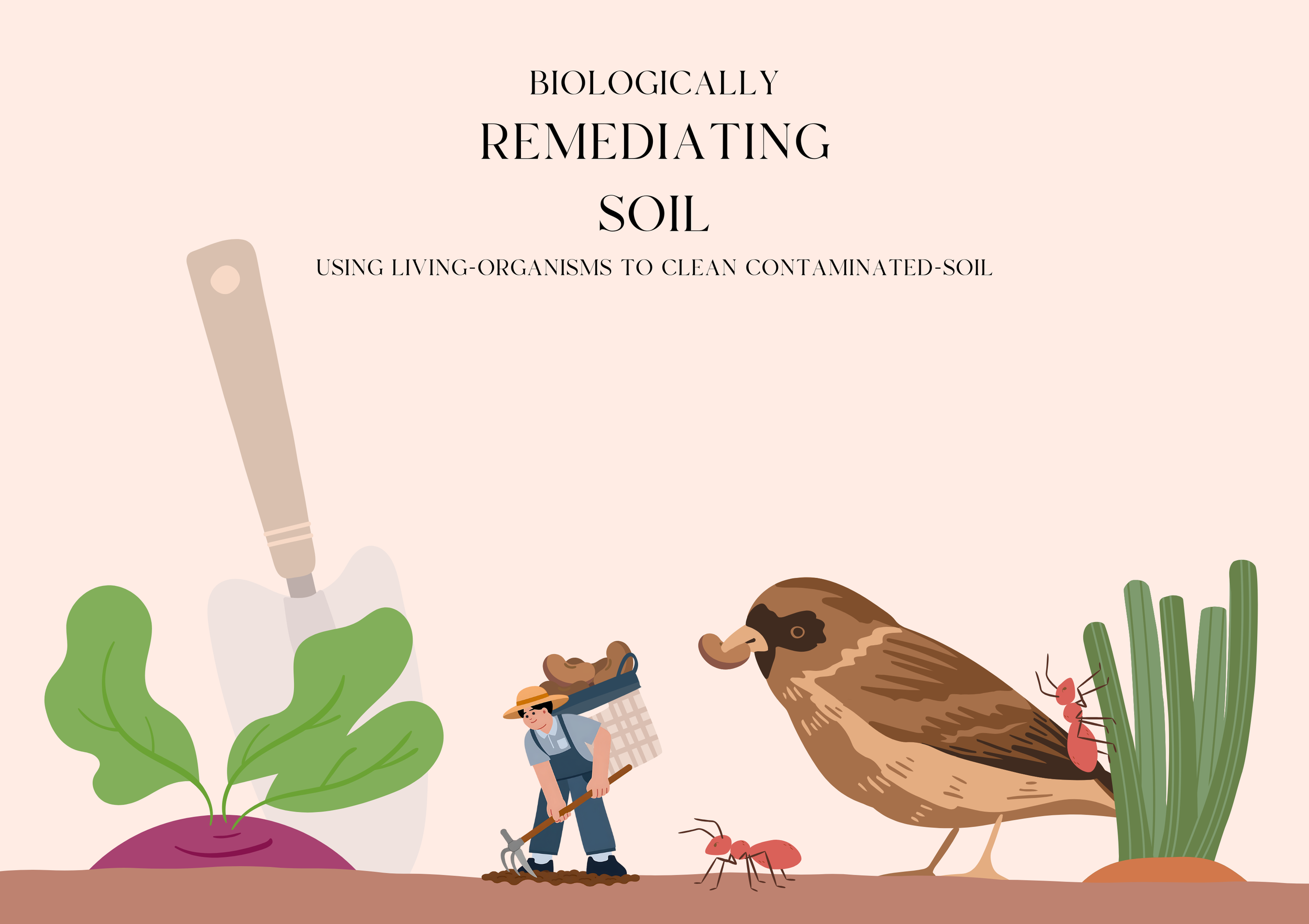
Beans: Beans are considered the easiest vegetable to grow; beans fix nitrogen into the soil, through a symbiotic-relationship with Rhizobium bacteria, and depending on how fertile your soil is, beans can be exactly what you need to remediate your soil.
Greens: Growing spinach and arugula can be as low maintenance as: sowing seeds outside inside a milk-jug towards the end of winter, and harvesting during the spring. This method is called winter-sowing.
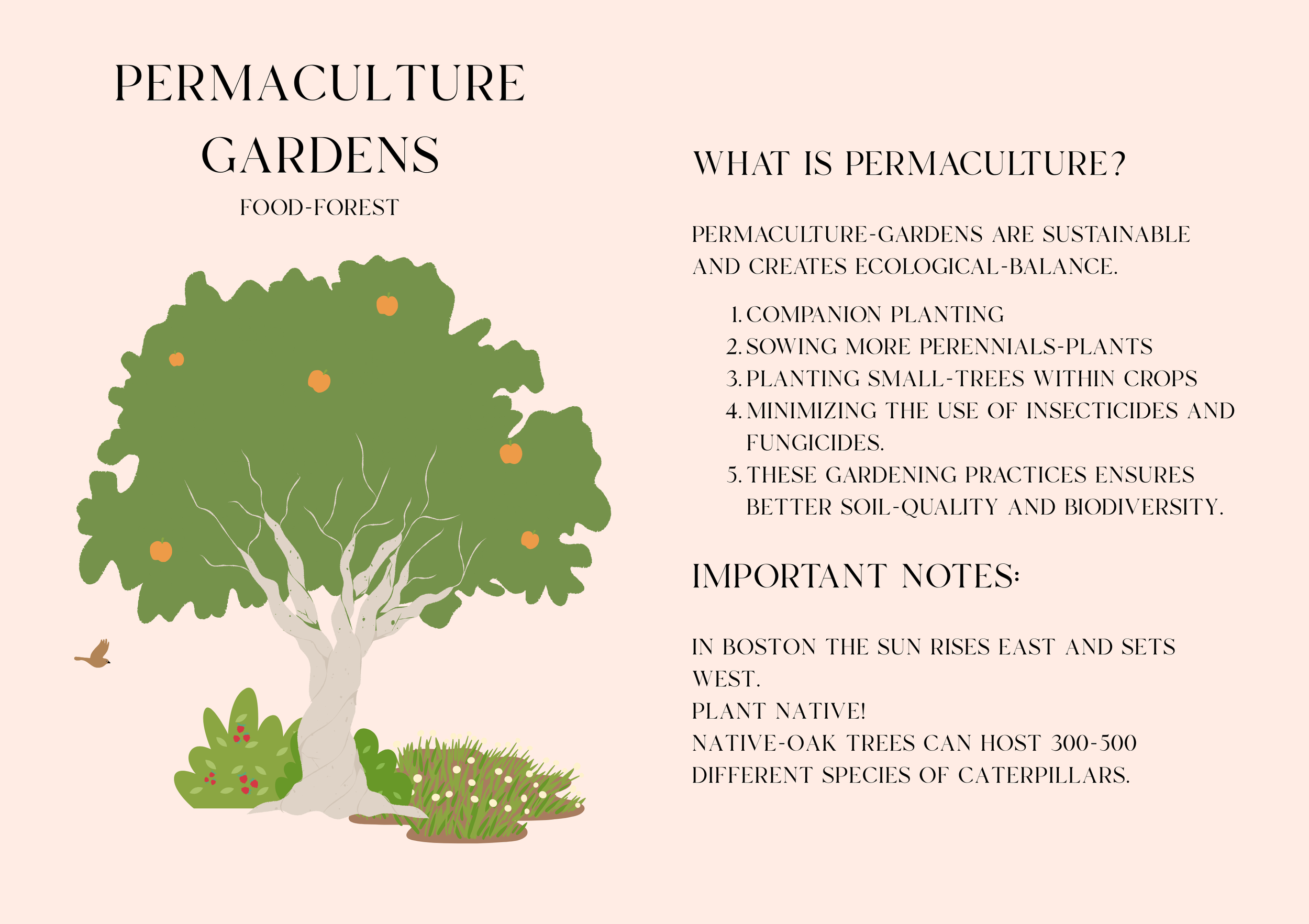
Permaculture-gardens are a sustainable alternative to gardening which promotes ecological balance. Practices include: companion planting, sowing perennial plants such as: wildflowers, or shrubs. As well as avoiding the use of insecticides and fungicides.
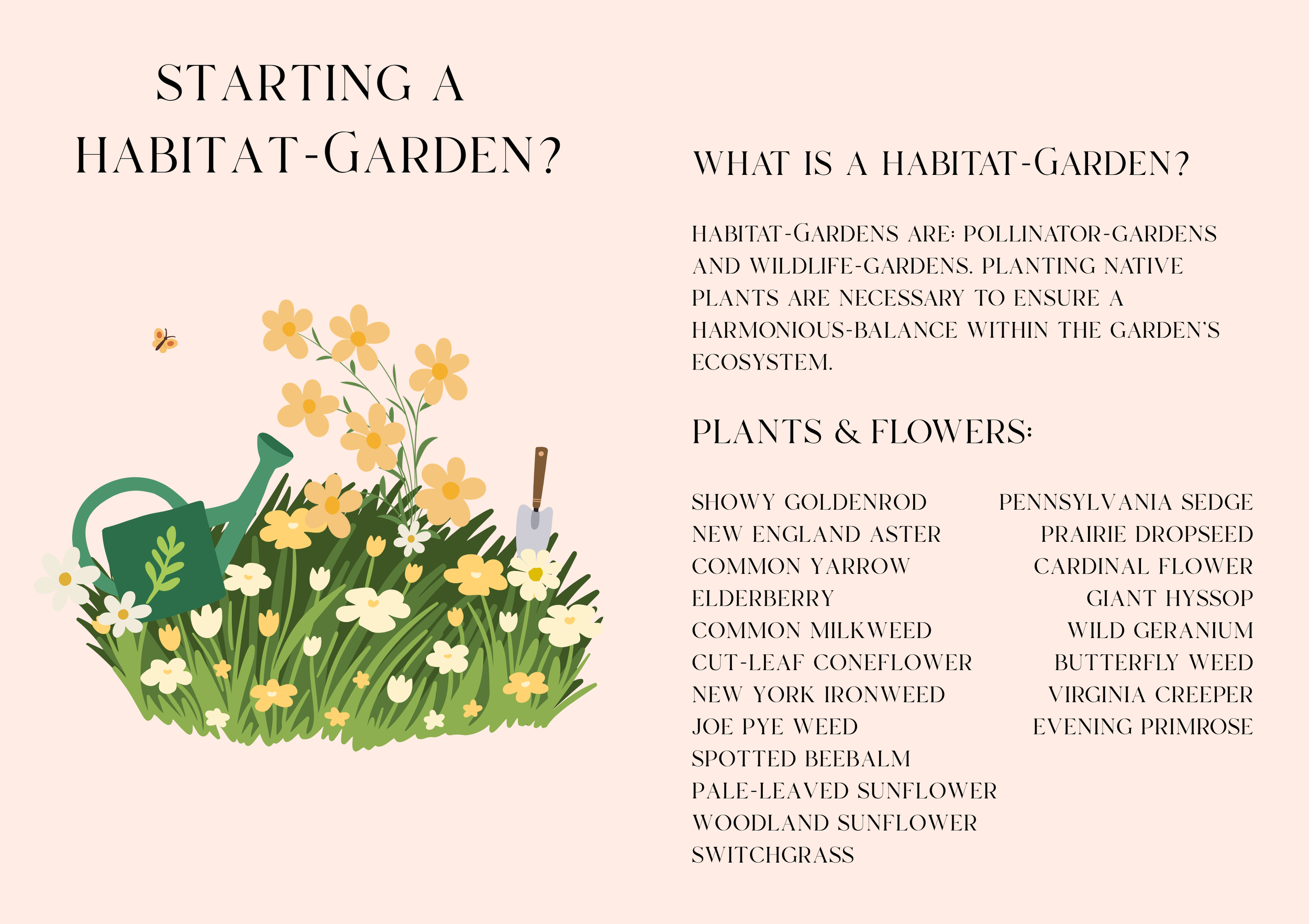
Habitat-Garden: A garden dedicated to creating habitats for pollinators, birds, critter, and other organisms.
Pollinator Garden: Native plants such as: Showy Goldenrods, Common Milkweed, and New England Aster, provide resources (pollen, leaves,) and food (nectar,) for native bees, wasps, butterflies, hummingbirds, and various other pollinators.
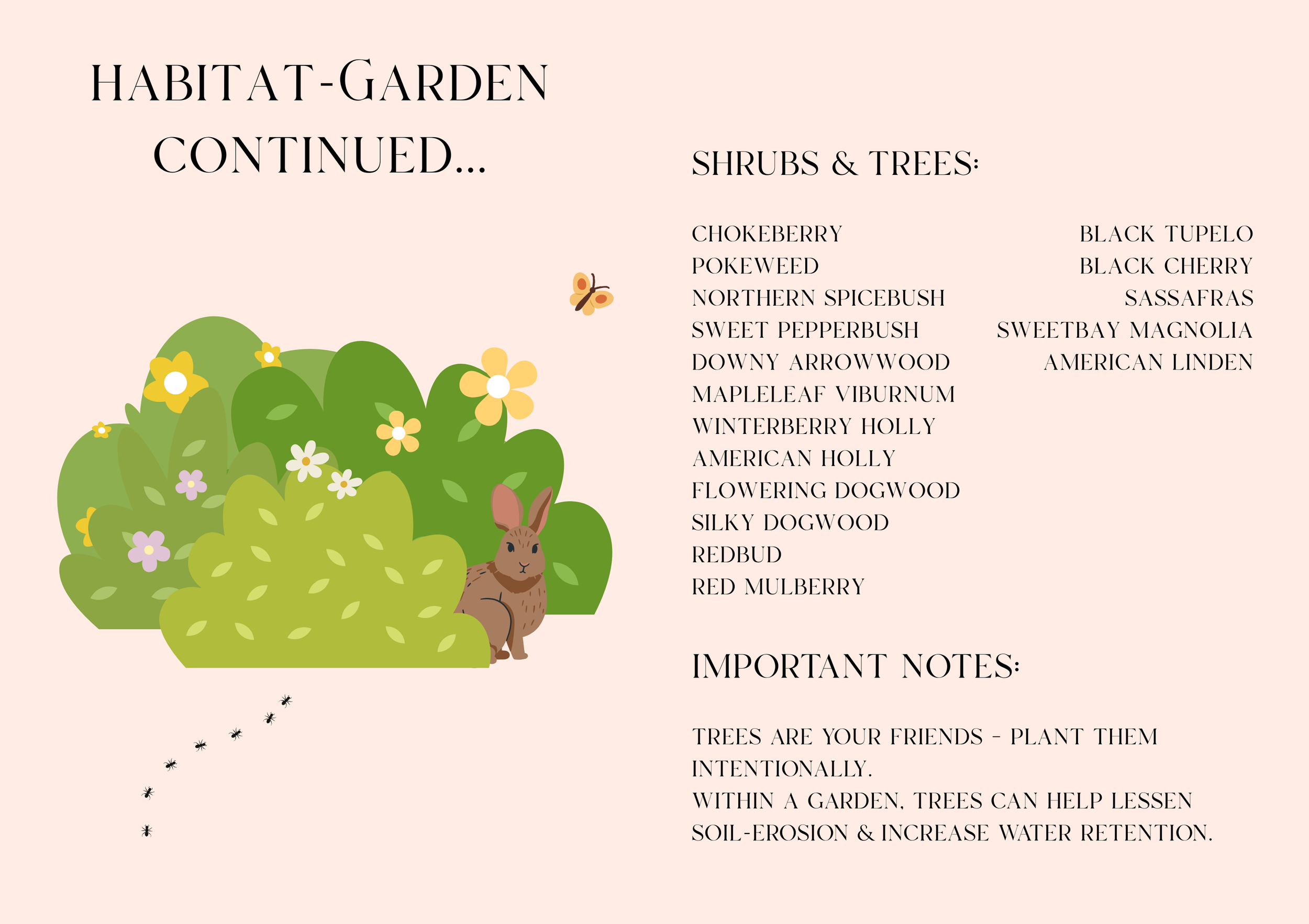
Bird Garden: A garden intended to attract birds by growing plants which will harbor an ecosystem desirable to birds, such as planting native trees (Redbud, Sweetbay Magnolia, Flowering Dogwood,) and native fruit-bearing plants (Serviceberry, Pokeweed, Elderberry, Chokeberry).
Wildlife Garden: Wildlife-gardens are intended to attract a specific, or a range of critters, either native insects, rabbits, chipmunks, even reptiles and amphibians.
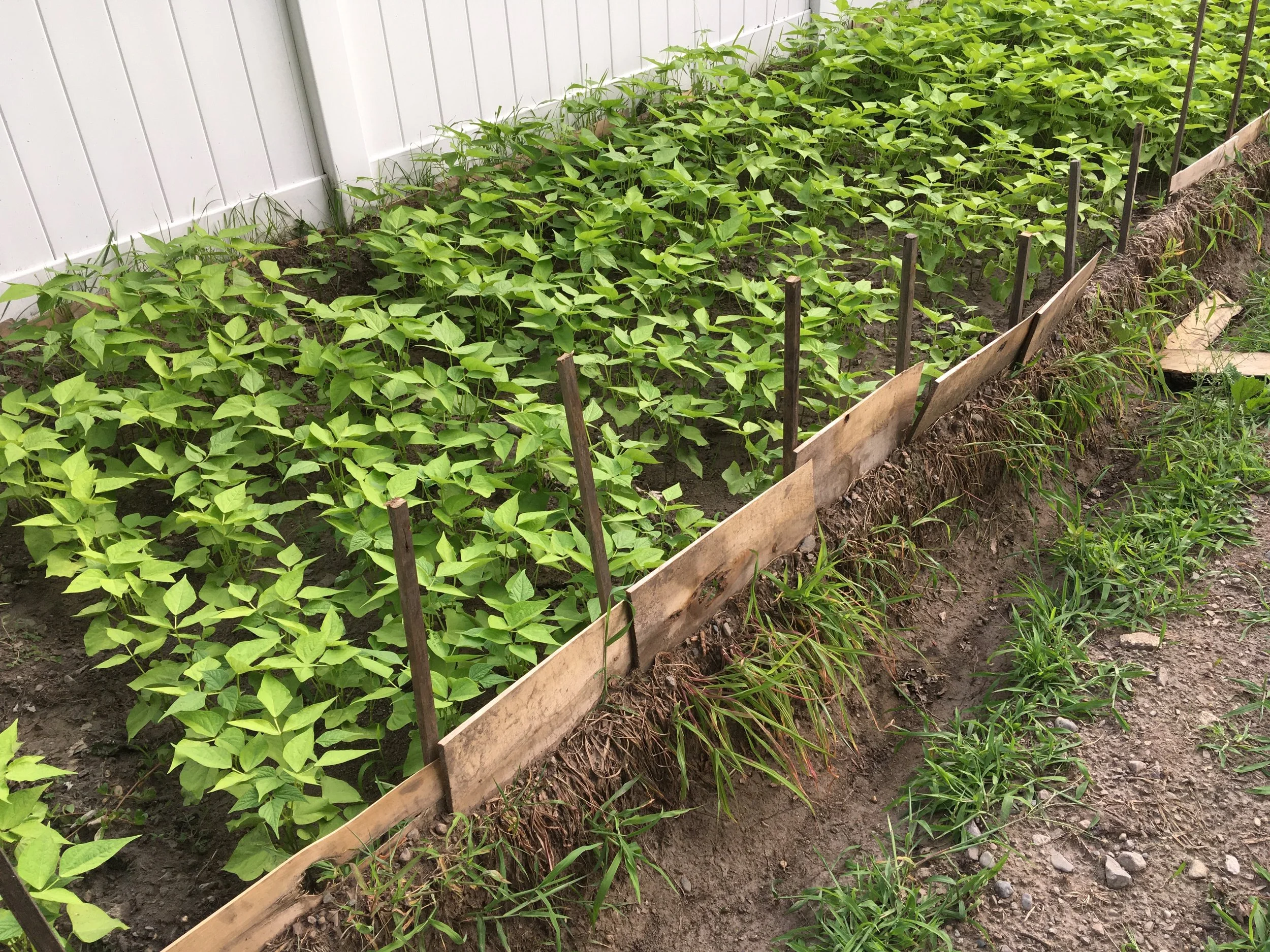
Beans growing in our backyard 3-summers ago, after harvesting the second-year, the soil was noticeably more fertile.
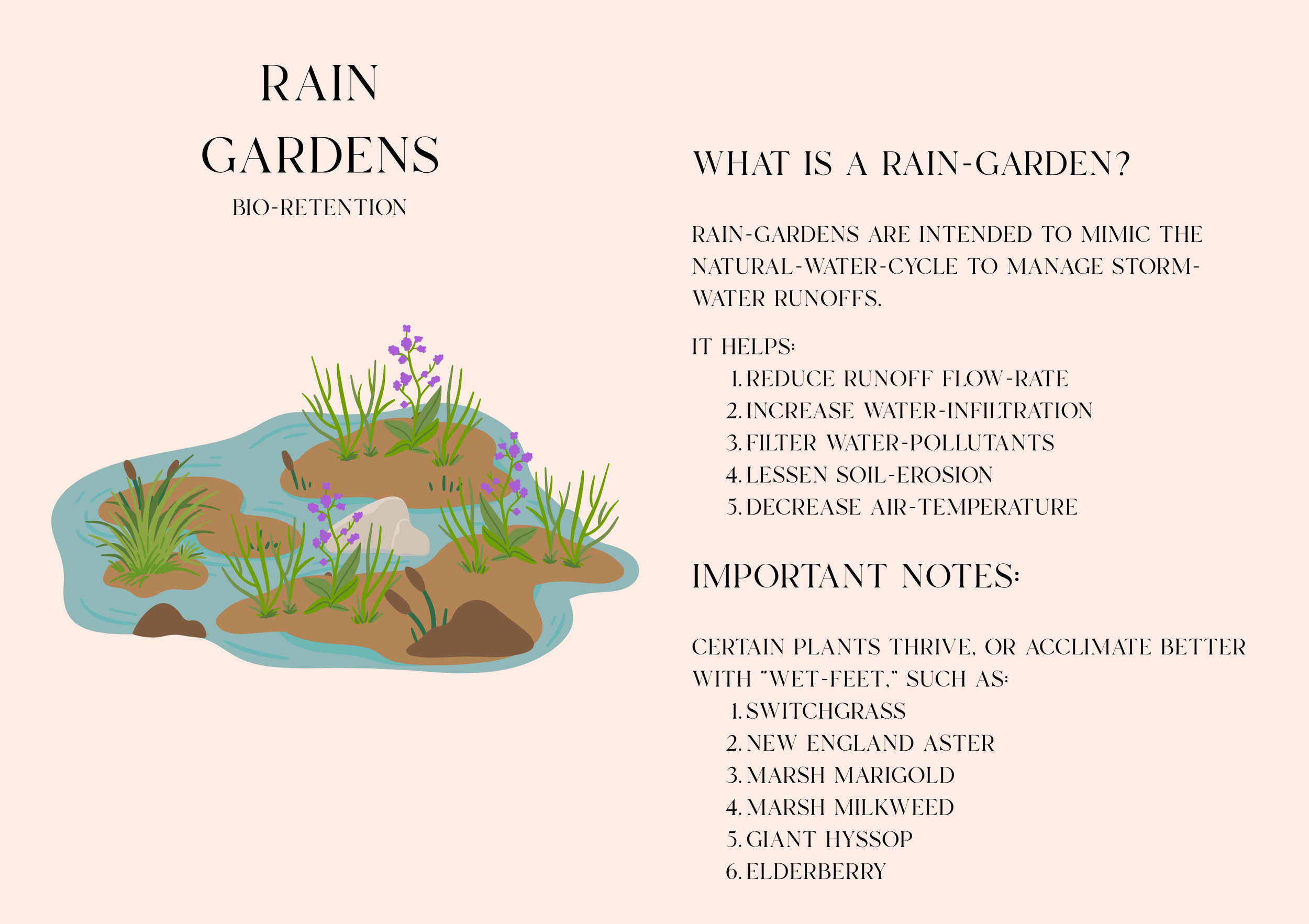
Rain Garden: A garden intended to mimic the natural-water-cycle and act as bio-retentions to help manage stormwater runoffs, or rain. Other benefits of rain-gardens include: an increase in soil infiltration, lessening of soil erosion, and a decrease in air temperature.
Bioswales: Channels of vegetation reducing the amount of stormwater runoffs, or filtering stormwater runoffs of debris, or pollutants before entering storm-drains alongside sidewalks.
Rain Garden: If a certain area of your yard floods, or accumulate large amounts of water, plant certain native-vegetation which acclimate, or thrive with “wet-feet” such as: Marsh Marigold, Elderberry, Marsh Milkweed, New England Aster, Giant Hyssop, and Switchgrass.
Soil & Growing Conditions:
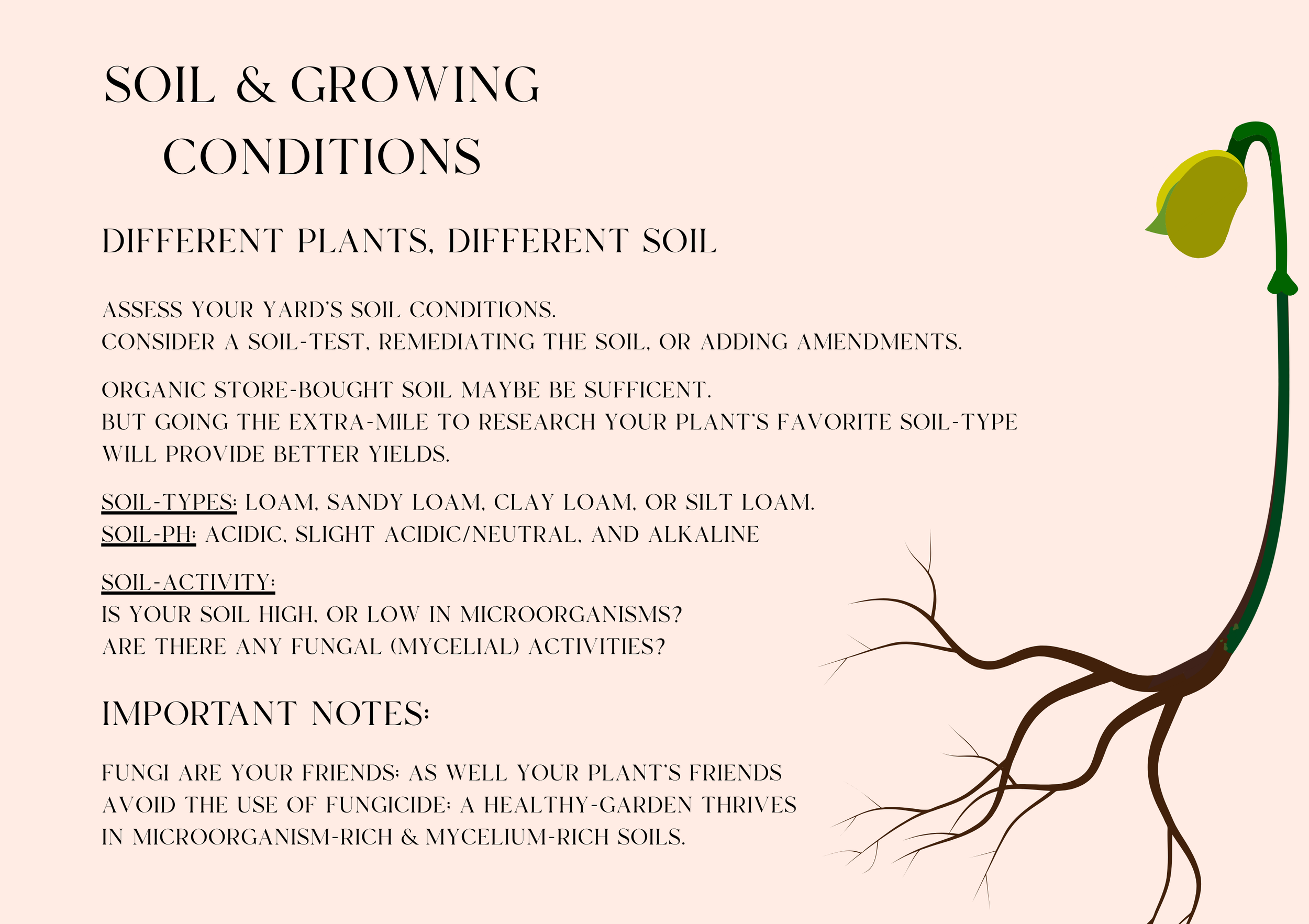
Fungi are your friends, as well as you plant’s friends. Avoid the use of insecticide and fungicides: a healthy garden thrives in microorganism-rich and mycelium-rich soils.
Different plants, different soils — research your plant’s favorite soil-type to ensure your plants thrive!
We created a Site-Analysis Sheet here, which provides in-depth information on ensuring the best growing-conditions outside.
Soil Types: Loam, Sandy Loam, Silt Loam, Clay Loam — feel and examine the soil in your yard, it is thick, like clay? Is it dark-brown, and soft? Is it grainy? Does water infiltrate easily into soil?
Soil pH: Acidic, Slightly Acidic, Neutral, Alkaline — pH test-kits can be a quick way of determined your soil’s pH. Blueberries enjoy acidic-soils, chokeberries enjoy slightly acidic soils, and most wildflowers enjoy a range between slightly acidic to neutral soils.
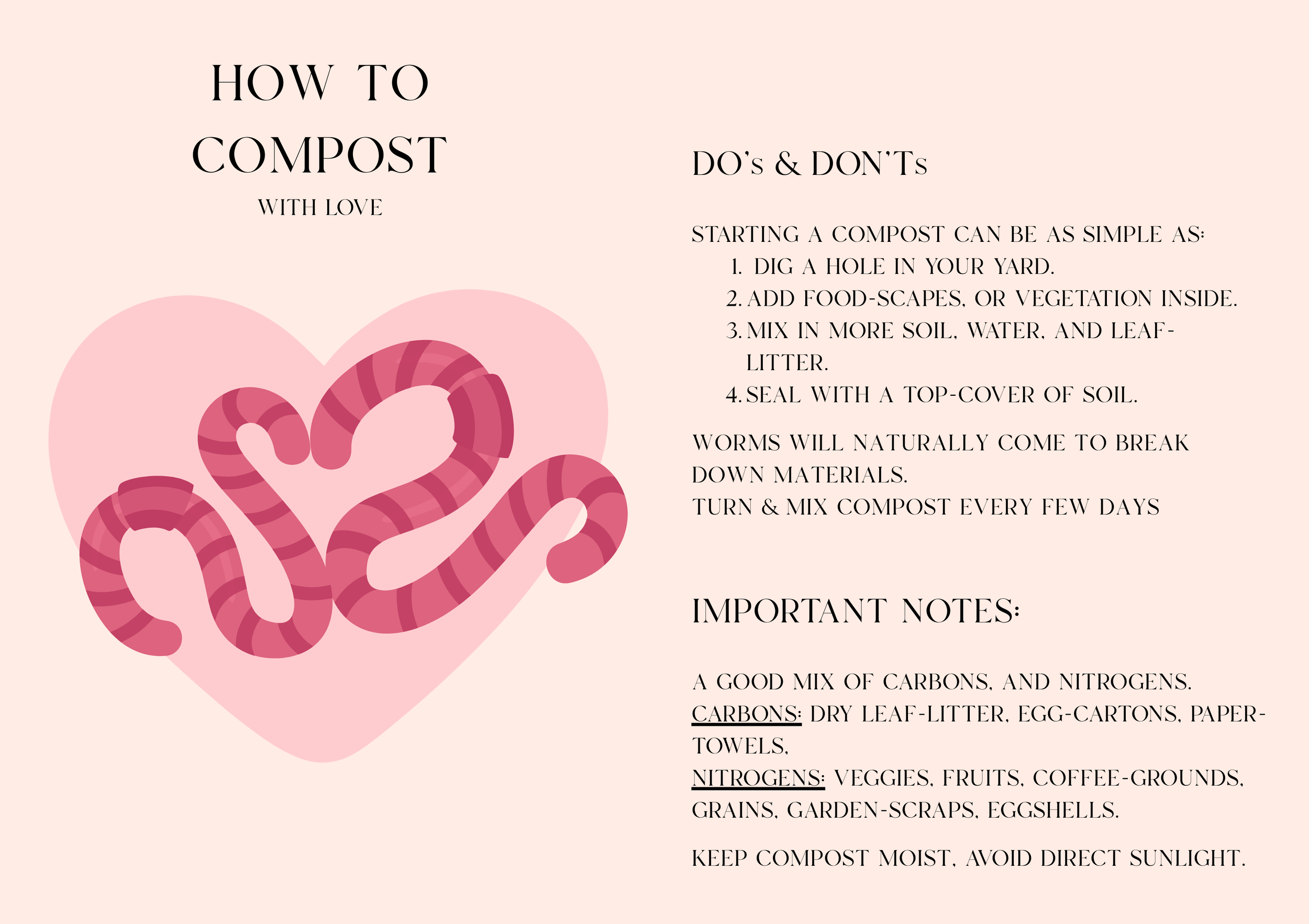
Soil Activity: Is your soil high in microorganisms (worms, tiny little critters) — are there any mycelial (fungal) activities? It is essential to feed the soil to encourage microorganisms to thrive e.g., composting, mycorrhizal inoculum, mulching, and allowing leaf-litter to decompose in the soil.
Sunlight: Pay attention to where the sun rises and sets in your location. In Boston, the sun rises in the East and sets in the West. Be attentive to what areas in your garden which receives the most exposure to sunlight and shade.
Attached below are informational slides providing additional in-depth guides and information on gardening.
To view: swipe, or click the buttons on the right or left of the slides.